
Maxillofacial Surgery - Dr. Dadoo's Family Dental Clinic
Simple and Surgical Extractions
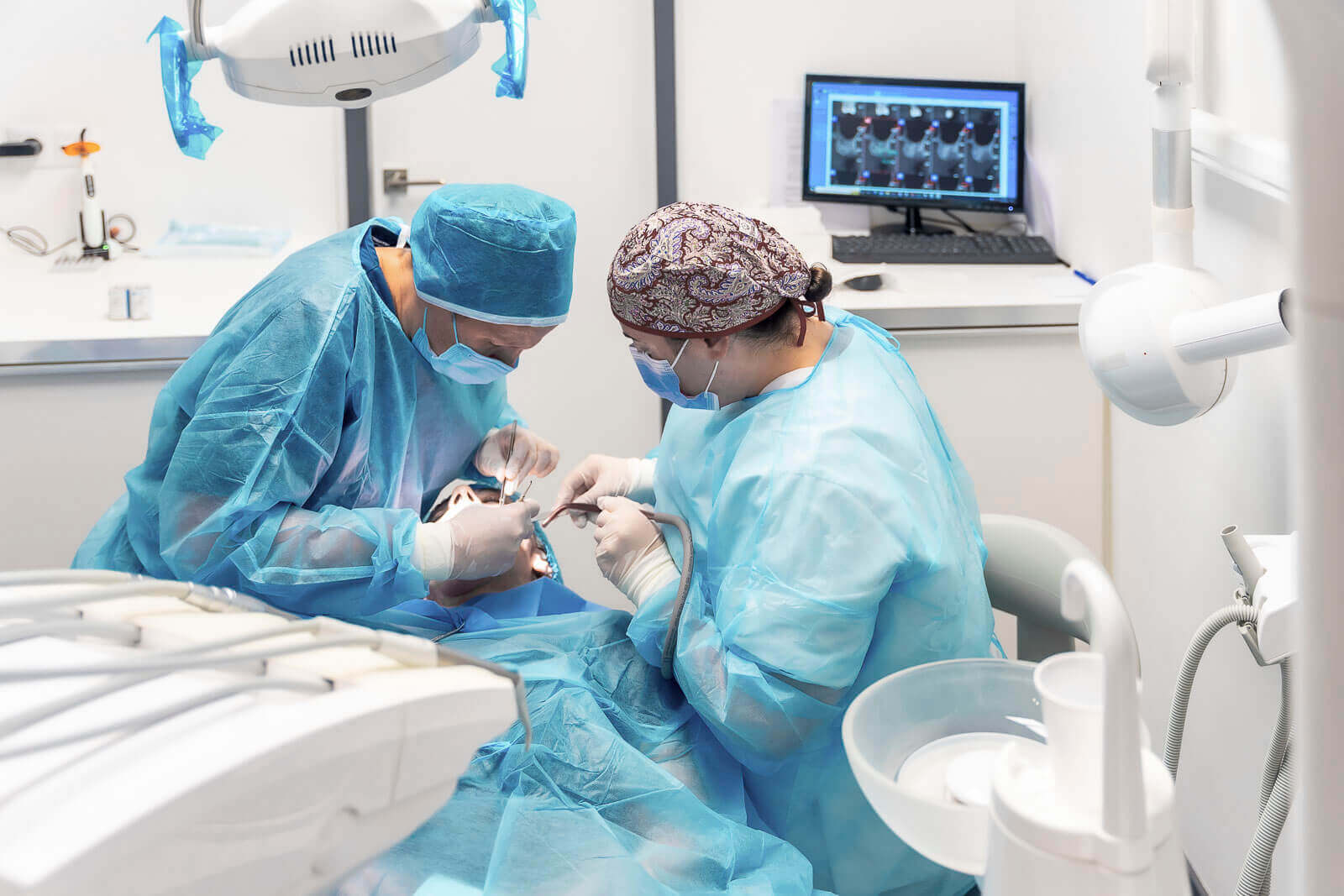
Dental extraction (also referred to as exodontia) is the removal of a tooth from the mouth. Extractions are performed for a wide variety of reasons, including tooth decay that has destroyed enough tooth structure to render the tooth non-restorable. Extractions of impacted or problematic wisdom teeth are routinely performed, as are extractions of some permanent teeth to make space for orthodontic treatment.
The most common reason for extraction is tooth damage due to breakage or decay. There are additional reasons for tooth extraction:
- Severe tooth decay or infection (acute or chronic alveolar abscess). Despite the reduction in worldwide prevalence of dental caries, still it is the most common reason for extraction of (non-third molar) teeth with up to two thirds of extractions.
- Extra teeth, which are blocking other teeth from coming in.
- Severe gum disease, which may affect the supporting tissues and bone structures of teeth.
- In preparation for orthodontic treatment (braces)
- Teeth in the fracture line
- Teeth which cannot be restored endodontically
- Fractured teeth
- Supenumerary,supplementary or malformed teeth
- Cosmetic teeth of poor appearance, unsuitable for restoration
- Receiving radiation to the head and neck may require extraction of teeth in the field of radiation.
- Reduced cost compared to other treatments
- Extractions are often categorized as “simple” or “surgical”
- Simple extractions are performed on teeth that are visible in the mouth, usually under local anesthetic, and require only the use of instruments to elevate and/or clench the visible portion of the tooth. Typically the tooth is lifted using an elevator, and using dental forceps, rocked back and forth until the periodontal ligament has been sufficiently broken and the supporting alveolar bone has been adequately widened to make the tooth loose enough to remove. Typically, when teeth are removed with forceps, slow, steady pressure is applied with controlled force.
- Surgical extractions involve the removal of teeth that cannot be easily accessed, either because they have broken under the gum line or because they have not complete eruption of the tooth. Surgical extractions almost always require an incision. In a surgical extraction the doctor may elevate the soft tissues covering the tooth and bone and may also remove some of the overlying and/or surrounding jawbone tissue with a drill or osteotome. Frequently, the tooth may be split into multiple pieces to facilitate its removal.
Nitrous Oxide
Nitrous oxide is also known as laughing gas. It is often used for children who are mildly or moderately anxious or nervous. It eases their fears so that they can relax. This helps them to receive treatment in a comfortable and safe manner.
Nitrous oxide is mixed with oxygen and delivered through a small mask over the nose. Your child will be asked to breathe through the nose and not through the mouth. As the gas begins to work, the child usually will become less agitated and nervous.
Sometimes young children may reject wearing the mask. In such cases, nitrous oxide may not be the right type of sedation for them. In addition, nitrous oxide can sometimes make a child feel nauseous. Before a dental visit and usage of this form of conscious sedation, it is best to feed your child only liquids or a light meal a few hours beforehand. Also, if your child is clogged up or has trouble breathing through the nose on the day of treatment, nitrous oxide may be less effective.
You may need to carry your child home after sedation. Your dentist would also discuss about how your child will be monitored during sedation. You will need to stay for a short time after dental treatment has been completed. During this time, your child will be under observance. The dental staff will make sure recovery is complete and look out for any problems.
Sinus Lift Surgery
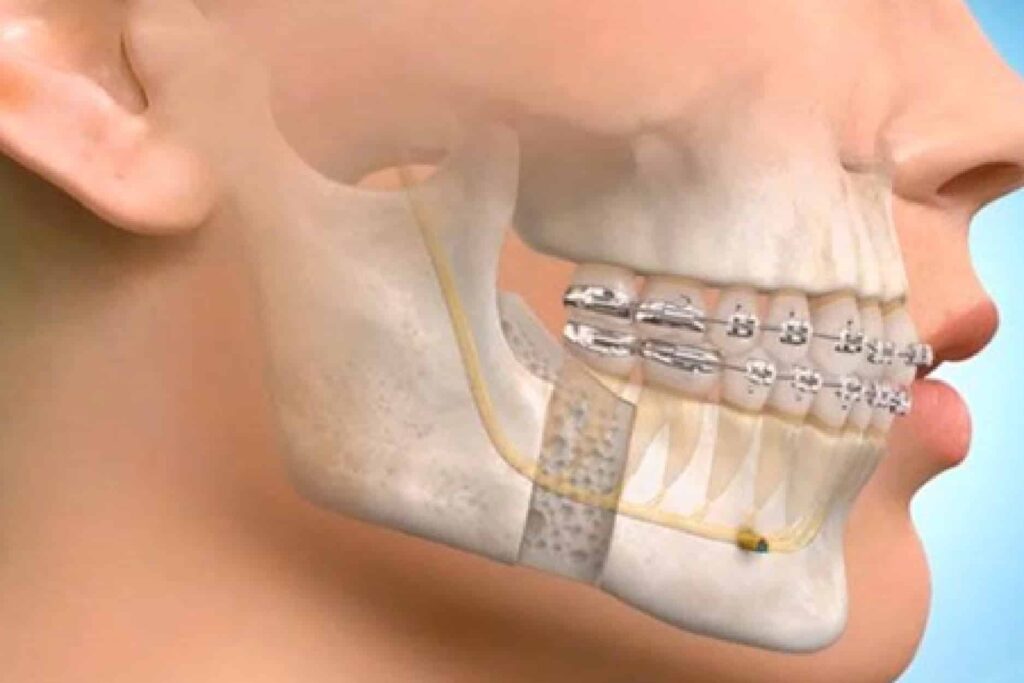
A maxillary sinus floor augmentation procedure (sometimes known informally as a sinus-lift or sinus procedure) is a surgical procedure performed by well-trained dentist or dental specialist to increase the amount of bone in the posterior maxilla, or upper jawbone. Sinus lift surgery is one of the most crucial surgeries in the field of dentistry. The sinus augmentation of the upper jaw is a conventional procedure of the sinus lift surgery. The main purpose of this surgery is to ensure that there is ample jawbone quantity present in the upper jaw. Most of the patients express their concern about opting for the sinus lift surgery. This is due to the age-old invasive nature of the sinus life surgery procedure. However, due to the increased usage and involvement of the latest surgical technologies, sinus lift surgeries have become quite simpler and acceptable for the dental patients.
While there may be a number of reasons for wanting a greater volume of bone in the posterior maxilla, the most common cause in the dental treatment planning is to decide and mark the site for the placement of dental implants in future. If your upper jaw has less than the required amount of the bone for support to the dental implants, then sinus lift surgery is crucial for your oral cavity. This ensures that the bone develops around the required area and implants are placed accordingly. Also, if a patient suffers from trauma, accident or sudden stress, then sinus lift surgeries are performed. This provides support to the broken structures thereby helping the patient recovering with a normal structure.
Sinus augmentation (sinus lift) is performed in case of the patients where the floor of the sinus is closer than the required levels. This procedure is performed ensures that a secure place for the implants is available as well as the sinus is protected. Lowering of the sinus can be due to several reasons like long-term tooth loss without the necessary treatment, periodontal disease, and trauma. We ensure that the cause is identified at the earliest and patients are treated at the earliest with the best possible results. Patients who have been treated with the sinus augmentation can revive their lives in the best positive way without facing many troubles in the later years of life. Sinus life surgeries have proved to benefit various difficult cases in the field of dentistry appreciably.
When is a Root Canal Needed?
Root canal treatment is a dental procedure that involves removing the infected or damaged pulp from the center of the tooth. Once the pulp is removed, the inner portion of the tooth is carefully cleaned, disinfected, filled, and sealed to prevent further infection. Since treated teeth can become more fragile over time, a dental crown or bridge is usually placed afterward to restore strength and protect against fractures.
At Dr. Dadoo’s Family Dental Clinic, experienced endodontists provide advanced root canal treatments, often completing the procedure in a single visit. With the use of modern technology such as rotary systems and endodontic microscopes, the treatment is precise, efficient, and highly effective. Placing a crown over the treated tooth further enhances its durability and can help it last for many years.
The cost of root canal treatment varies depending on several factors, including the location of the tooth, the severity of infection, and the complexity of the case. Front teeth like incisors and canines typically have a single canal, making them simpler and more affordable to treat. In contrast, molars and some premolars have multiple or curved canals, which require more time and expertise, resulting in higher costs.
With advanced pain management techniques and modern equipment, root canal treatment today is comfortable and minimally invasive. Patients can schedule a consultation to receive a detailed evaluation and an accurate cost estimate tailored to their specific dental needs.