
Wisdom Tooth Extraction - Dr. Dadoo's Family Dental Clinic
Why Wisdom Teeth Cause Problems?
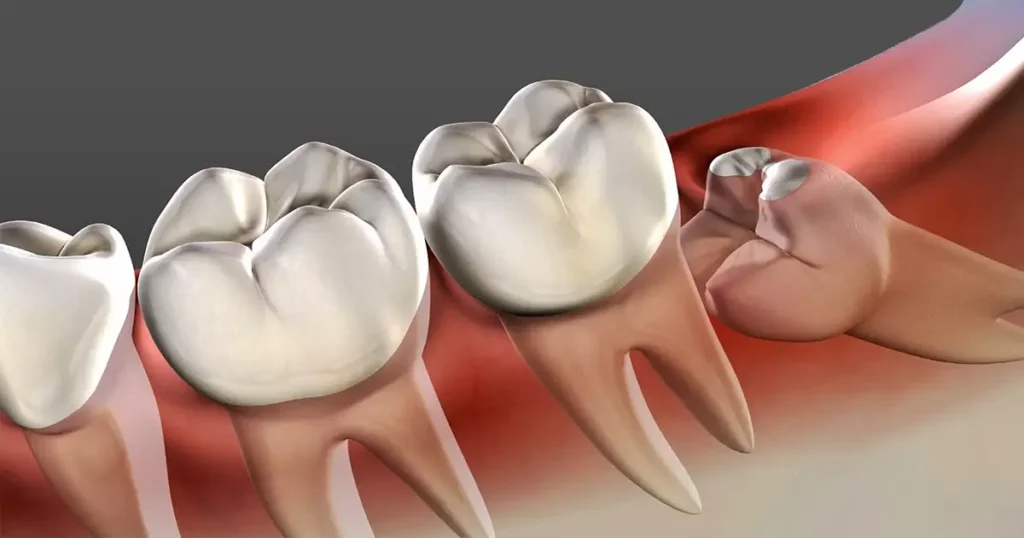
Wisdom teeth can become problematic due to:
- Lack of space in the jaw, leading to crowding
- Impaction, where the tooth is trapped under the gum or bone
- Angled growth, pushing against adjacent teeth
- Partial eruption, creating pockets where bacteria accumulate
These issues can result in swelling, pain, bad breath, difficulty in opening the mouth, and infections around the gums.
Why have root canal treatment?
Root canal treatment, also known as endodontic therapy, is a procedure designed to save a severely damaged or infected tooth caused by decay, disease, or injury. It helps preserve the natural tooth, preventing the need for extraction and maintaining long-term oral health. In fact, this treatment saves millions of teeth each year.
Keeping your natural teeth is always preferable to replacing them with artificial options. Each tooth plays an important role in proper biting and chewing. When a tooth is lost, the surrounding teeth can shift or tilt into the empty space, leading to difficulties in chewing and increasing the risk of further decay and gum disease.
Maintaining strong, healthy teeth ensures better function, stability, and overall oral health, making root canal treatment a reliable and effective solution for preserving your smile.
Key Aspects of Wisdom Tooth Extraction
Purpose
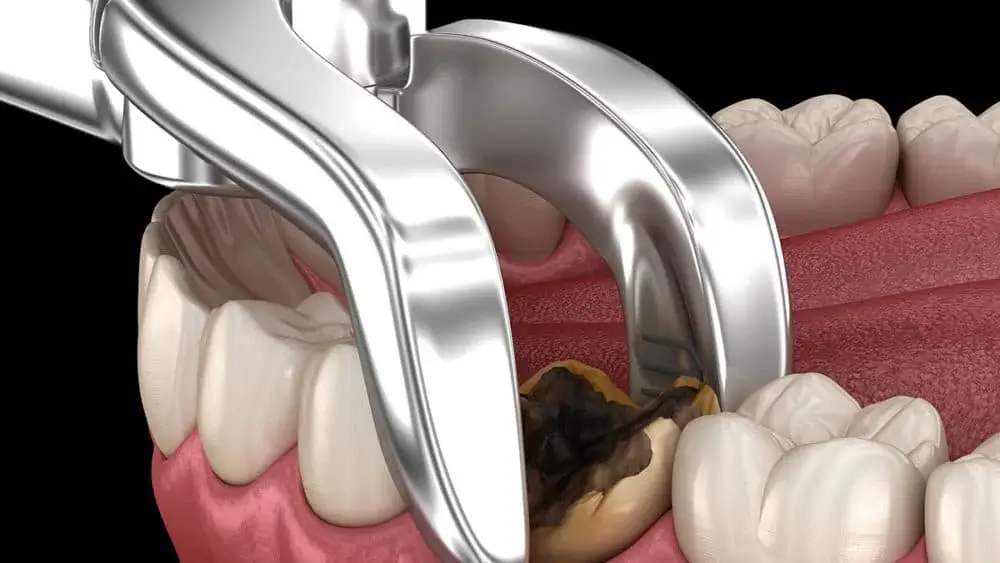
Wisdom tooth extraction is recommended when the third molars do not grow properly or start causing problems. This often happens when the teeth are impacted (trapped in the jawbone or gums), grow at an incorrect angle, or press against nearby teeth. Such conditions can lead to pain, swelling, infection, gum disease, or tooth decay. Removing the affected wisdom teeth helps prevent further complications and protects overall oral health.
Procedure
The procedure is performed by a dentist or oral surgeon under local anesthesia or sedation to ensure comfort. If the tooth is not fully visible, a small incision is made in the gum to access it. In more complex cases, the tooth may be divided into smaller sections to allow easier and safer removal. Once the tooth is extracted, the area is cleaned thoroughly, and stitches (sutures) may be placed to promote proper healing.
Recovery
Recovery is usually quick and manageable. Most patients can return to normal daily activities within 1–3 days, although complete healing may take a little longer. Mild swelling and discomfort are common in the first 24–48 hours but gradually improve with proper care, including rest, ice application, and prescribed medications.
Risks
Wisdom tooth extraction is generally very safe, but like any surgical procedure, there are some rare risks, including:
Dry socket (loss of the blood clot, causing pain)
Temporary numbness due to nerve irritation
Infection or delayed healing
Following your dentist’s aftercare instructions significantly reduces these risks.
Timing
Wisdom teeth are often removed in the late teens or early twenties, when the roots are not fully developed, making extraction easier and recovery faster. However, they can be safely removed at any age if they begin to cause pain, infection, or other dental issues.
Benefits of Wisdom Tooth Extraction
- Prevents future pain and infections
- Protects nearby teeth from damage or decay
- Improves oral hygiene
- Reduces risk of cysts or gum disease