
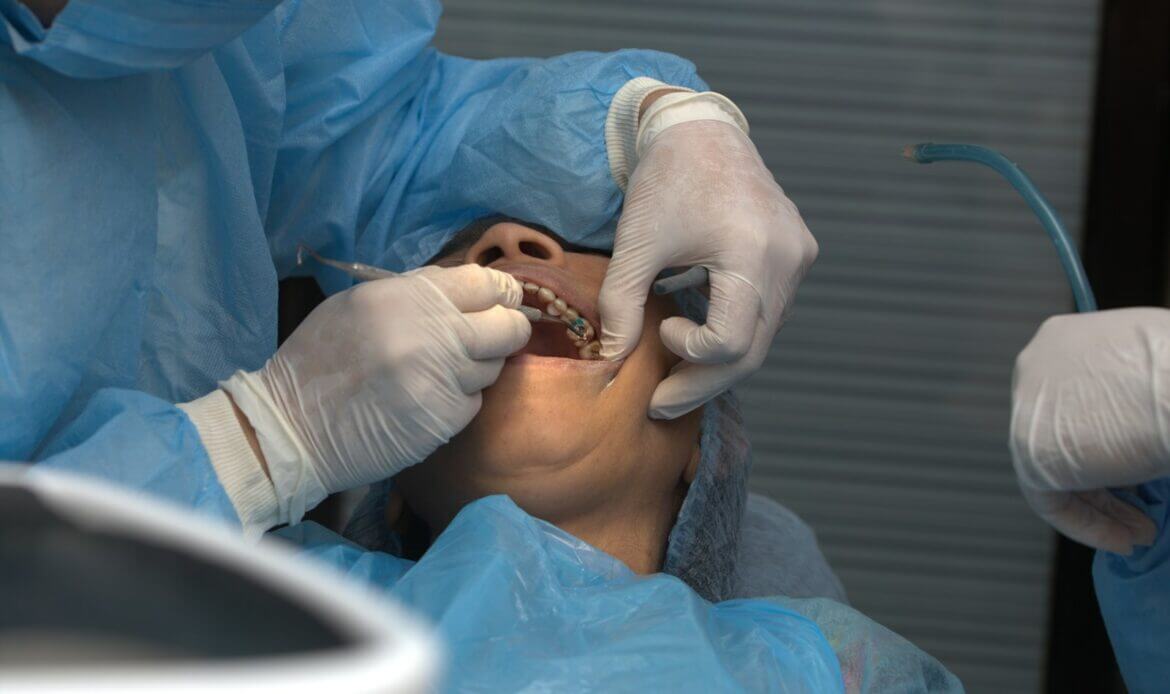
Sinus Surgeries - Dr. Dadoo's Family Dental Clinic
Why Sinus Surgery is Needed in Dentistry?
- Bone Loss in Upper Jaw: After tooth loss, the bone shrinks and the sinus expands, leaving inadequate bone for implants
- Close Sinus Position: The sinus floor may be too close to the jaw, limiting implant placement
- Sinus Infections or Pathology: Cysts, infections, or inflammation affecting the sinus area
- Implant Preparation: To ensure long-term stability and success of dental implants
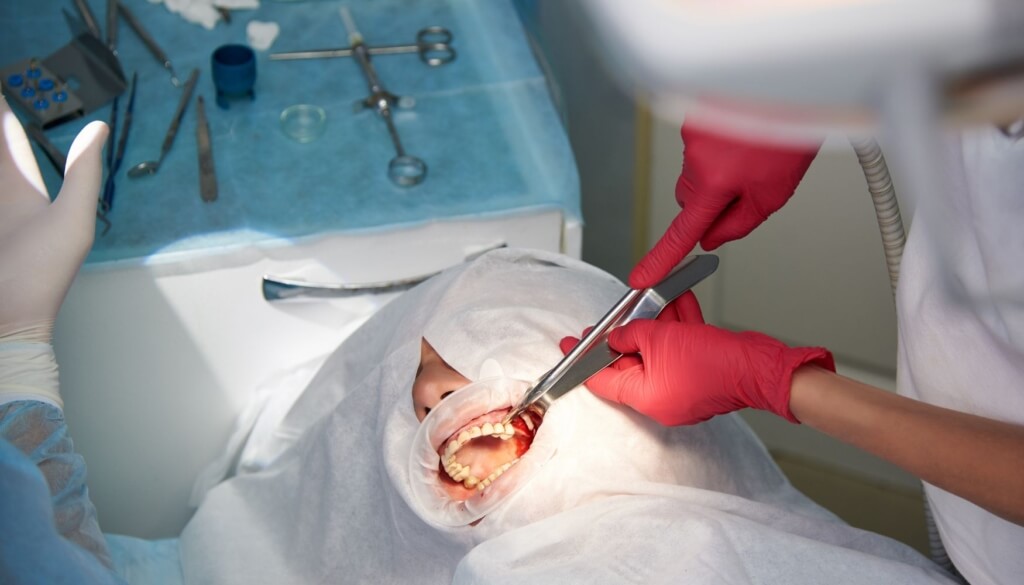
Common Types of Dental Sinus Surgeries
1. Sinus Lift (Sinus Augmentation)
This is the most commonly performed sinus procedure in dentistry, mainly used to prepare the upper jaw for dental implants. When there isn’t enough bone height, the sinus membrane is carefully lifted upward to create space. Bone graft material is then placed beneath the membrane, which gradually integrates with your natural bone and increases its volume. Depending on the case, dental implants may be placed at the same time or after a healing period of a few months.
2. Crestal (Closed) Sinus Lift
This is a less invasive approach, suitable when only a small increase in bone height is required. The procedure is performed through the same site where the implant will be placed, avoiding the need for a separate surgical opening. The sinus membrane is gently elevated, and a small amount of bone graft is inserted. Because it is minimally invasive, patients usually experience faster healing, less discomfort, and shorter recovery time.
3. Lateral Window (Open) Sinus Lift
This technique is used in cases where there is significant bone loss in the upper jaw. A small window is created on the side of the jawbone to access the sinus directly. The sinus membrane is then carefully lifted, and a larger quantity of bone graft material is placed. Although this method is more extensive, it is highly effective for rebuilding bone and providing strong support for future dental implants.
Procedure Overview
Performed Under Anesthesia
Sinus surgery is carried out under local anesthesia, sedation, or in some cases general anesthesia, depending on the complexity of the procedure and patient comfort. This ensures a painless and relaxed experience throughout the treatment.
Accessing the Sinus Cavity
The surgeon carefully reaches the sinus area using the most appropriate technique—either through the gum (in dental sinus procedures) or via minimally invasive approaches. The method chosen depends on the condition being treated and the amount of access required.
Removal of Blockages or Infection
Any infected tissue, cysts, or blockages within the sinus cavity are gently removed. This helps restore proper sinus function and prevents further complications such as pain, swelling, or recurring infections.
Bone Grafting (Dental Cases)
In procedures like sinus lift surgery, bone graft material may be placed to increase bone height in the upper jaw. This is essential for supporting dental implants and ensuring their long-term stability.
Cleaning & Healing
After the procedure, the area is thoroughly cleaned to reduce the risk of infection. The site is then closed if needed and allowed to heal naturally. Proper aftercare and follow-up visits ensure smooth recovery and successful outcomes.