
TMJ Disorders - Dr. Dadoo's Family Dental Clinic
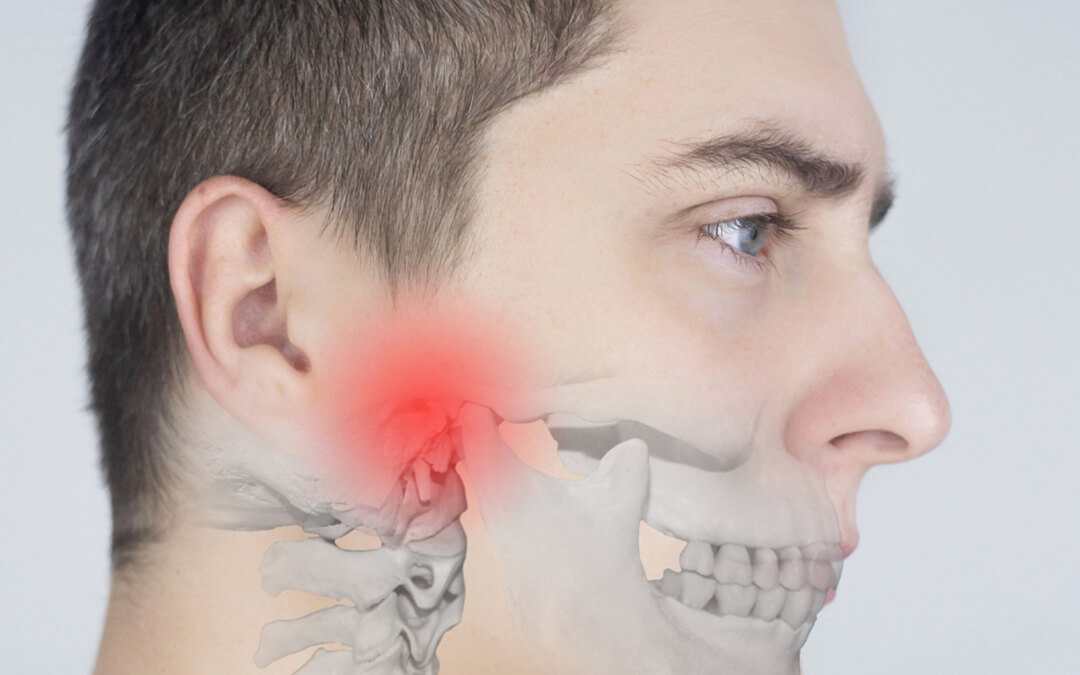
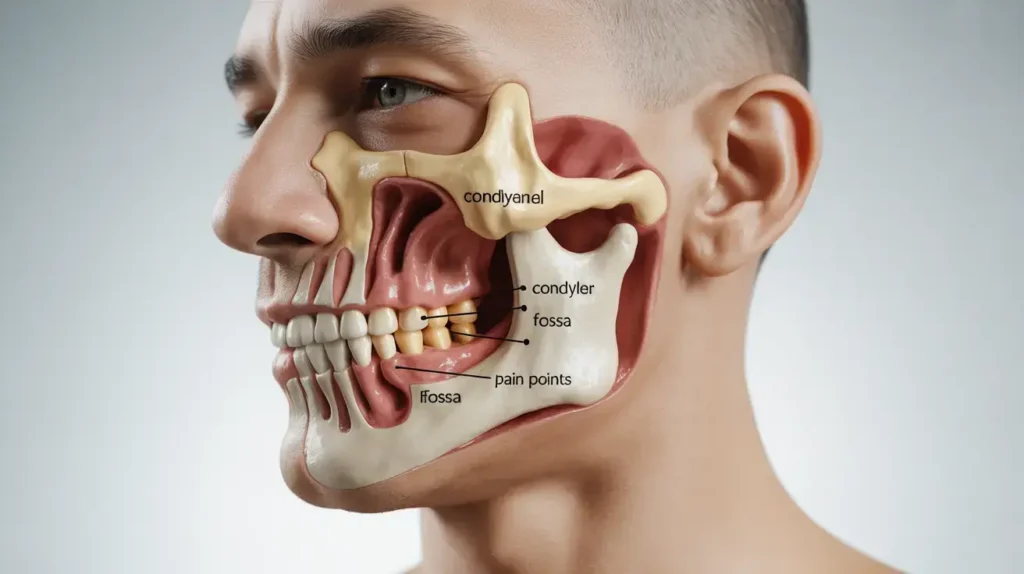
TMJ disorders are conditions that affect the temporomandibular joint—the joint that connects your lower jaw (mandible) to your skull. This joint plays a crucial role in everyday functions such as talking, chewing, yawning, and opening or closing your mouth. When the joint or surrounding muscles do not work properly, it can lead to discomfort and restricted movement. These disorders can develop due to various reasons, including teeth grinding or clenching (often linked to stress), jaw injuries, arthritis, or misalignment of the teeth and bite. In many cases, muscle tension around the jaw also contributes to the problem. People with TMJ disorders may experience symptoms such as jaw pain or tenderness, clicking or popping sounds while moving the jaw, difficulty in chewing, or even locking of the jaw. Some individuals may also notice headaches, earaches, or pain spreading to the neck and shoulders. TMJ disorders are usually manageable with proper care.
Common Causes for TMJ Disorders
TMJ disorders can develop due to:
- Teeth grinding or clenching (bruxism)
- Jaw injury or trauma
- Arthritis in the joint
- Bite misalignment (malocclusion)
- Stress, leading to muscle tension in the jaw
Symptoms Of TMJ Disorders
- Pain or tenderness in the jaw, face, or around the ears
- Clicking, popping, or grinding sounds when opening or closing the mouth
- Difficulty or discomfort while chewing
- Limited jaw movement or locking
- Headaches, neck pain, or earaches
Treatments Of TMJ Disorders
Treatment may include medications for pain relief, custom-made night guards to reduce grinding, physiotherapy exercises, and lifestyle changes like stress management and avoiding hard foods. In more severe cases, advanced treatments may be required. With early diagnosis and the right approach, TMJ disorders can be effectively controlled, helping restore normal jaw function and improve overall comfort.
1. Non-Surgical Treatments (Most Common)
- Pain relief medications or muscle relaxants
- Night guards or splints to reduce teeth grinding
- Physiotherapy and jaw exercises
- Stress management techniques
- Soft diet and avoiding excessive jaw movement
2. Advanced Treatments (If Needed)
- Injections (such as Botox in certain cases)
- Orthodontic correction for bite issues
- Surgical procedures (rare, for severe cases)
Self-Care Tips
- Avoid hard or chewy foods
- Practice jaw relaxation exercises
- Apply warm compress to reduce pain
- Maintain good posture
- Reduce stress levels
Benefits of Treatment
- Relief from pain and discomfort
- Improved jaw movement and function
- Better chewing and speaking ability
- Reduced headaches and muscle tension