
Hair Transplantation - Dr. Dadoo's Family Dental Clinic
A root canal treatment is a dental procedure designed to remove infected or damaged pulp from the inner layers of a tooth. This becomes necessary when bacteria enter through deep cavities, cracks, or chips, causing the enamel to weaken and infection to spread. At our dental clinic in Delhi, the root canal procedure is typically completed over two visits. During the first appointment, the area around the affected tooth is numbed to ensure comfort. The infected pulp is carefully removed, and the inner chambers of the tooth are cleaned and filled with a protective material called gutta-percha to prevent further infection. In the second visit, the treatment is completed by placing a dental crown over the restored tooth. This helps strengthen the tooth, restore its function, and protect it from future damage.
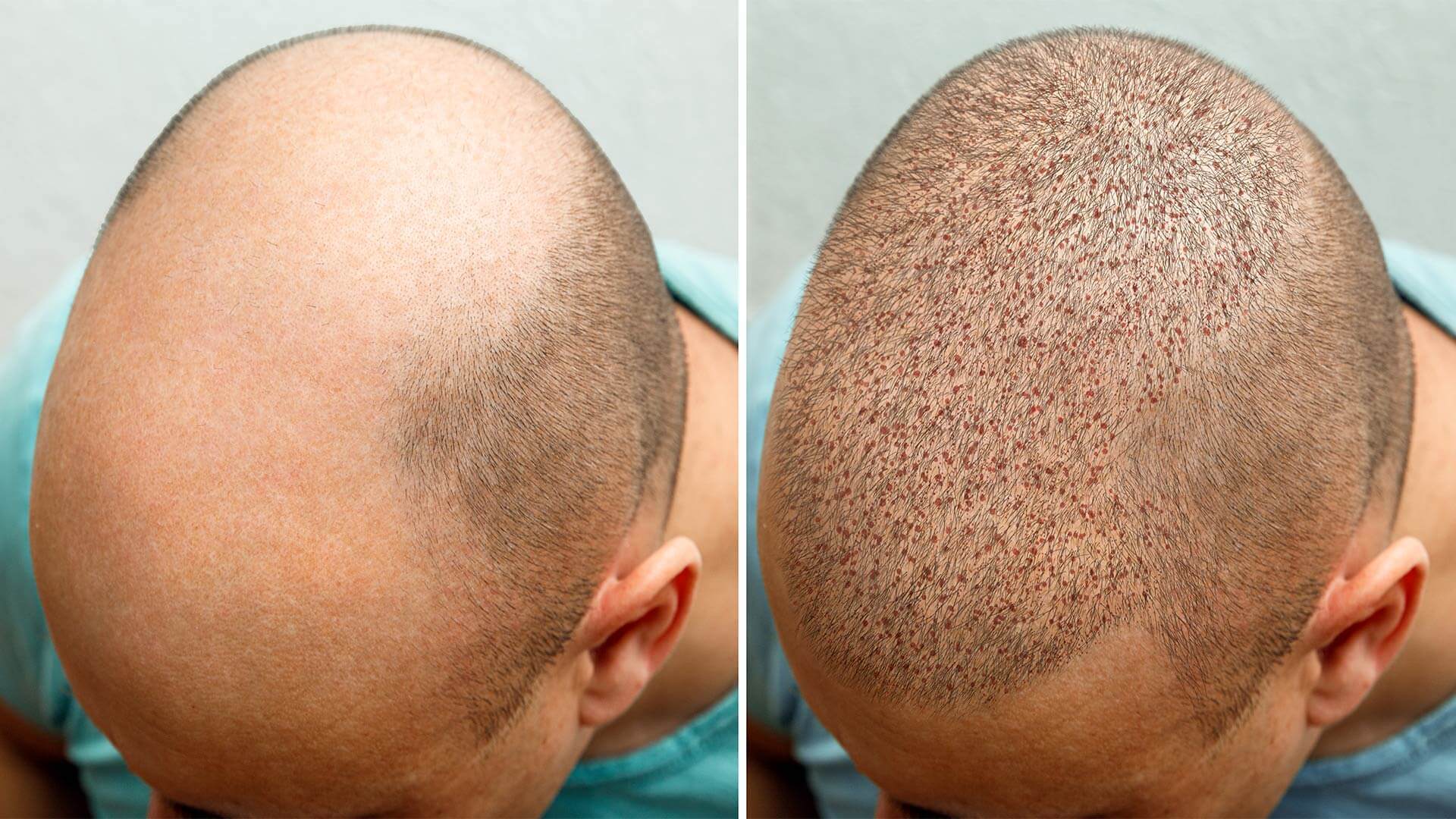
What is Hair Transplantation?
How Hair Transplant Works?
Types of Hair Transplant Techniques
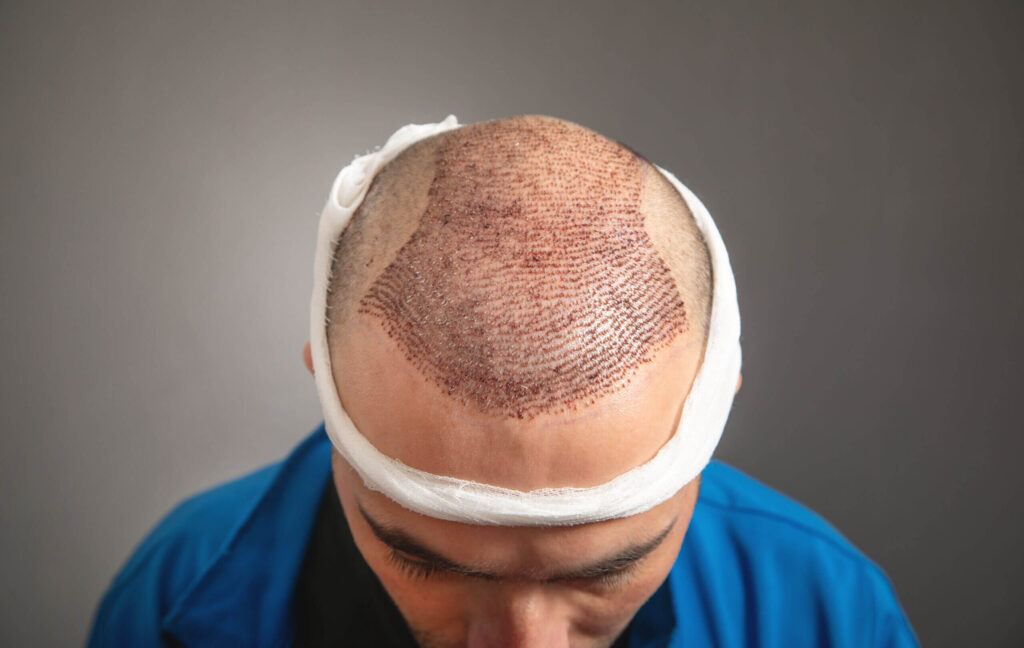
Follicular unit transplantation (FUT): It is a hair transplantation technique that involves harvesting a thin strip of healthy hair-bearing skin and transplanting it to an area of hair loss.
Follicular unit extraction (FUE): This technique involves taking individual hair follicles from the donor area using a micro punch tool and implanting them in the receiver area.
What to Avoid after Hair Transplantation:
1. Scrubbing head or taking shower: You are advised not to touch, scrub, or shower to avoid any form of pressure on the newly implanted shaft to avoid damage.
2. Faulty sleeping positions: “Sleeping on your back and upright” is preferred and mostly advised sleeping position. Do not sleep face down as this might damage your transplantation.
3. Lifting heavy objects: Vigorous physical activity should be avoided for at least one week after surgery, do not bend or engage in lifting at least for 48 hours or as advised by professionals to avoid bleeding or swelling.
4. Skipping your follow-ups: Regular follow-ups with your doctors are very important to track hair growth, skipping appointments may delay the result.
5. Dying your hair: Hair dye contains harmful chemicals such as bleaching agents or peroxides. Unusual chemicals in the dye may increase swelling and destroy the implanted hair shaft.
6. Not keeping yourself hydrated: After a transplant procedure, not drinking enough water results in improper nutrition transport to hair follicles embedded within the shaft.
7. Alcohol consumption: Consuming alcohol right after the hair transplant surgery could significantly tarnish the effect of the surgery, especially for the FUE hair transplant technique. Consuming alcohol right after the procedure decreases the survival chances of new hair follicles and complicates the recovery process to some extent.