
Cancer Screening - Dr. Dadoo's Family Dental Clinic
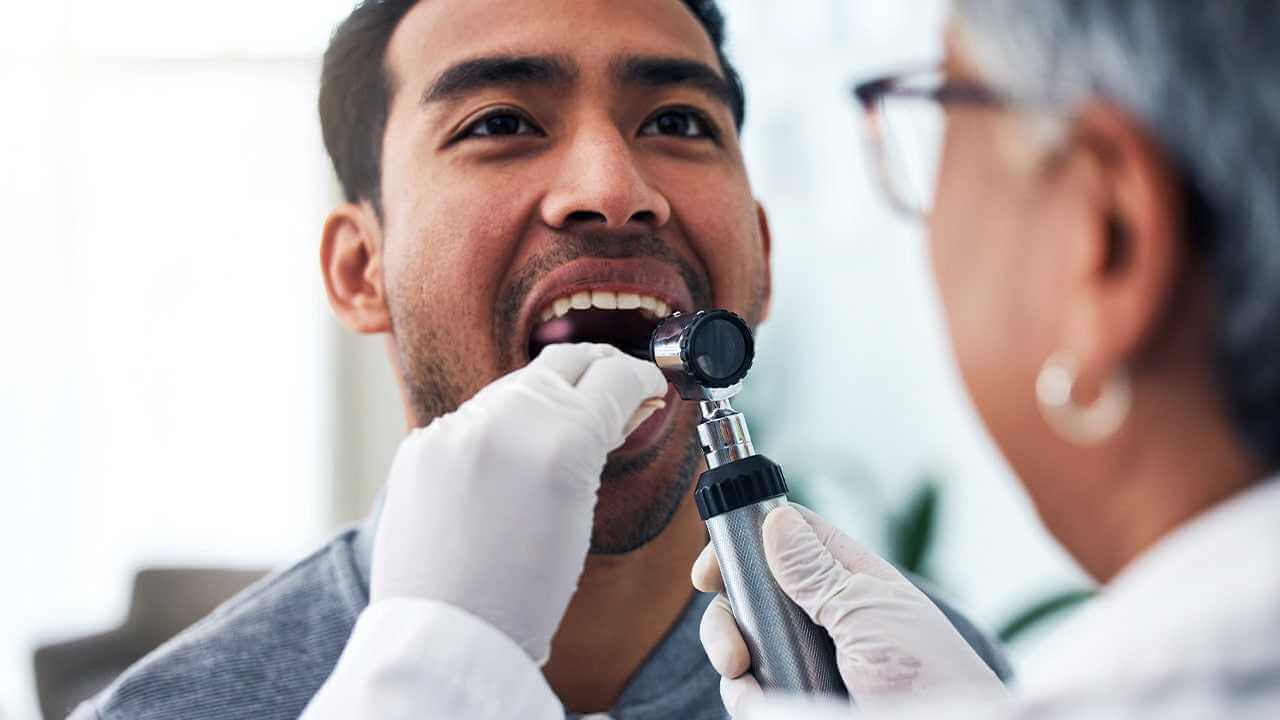
Oral cancer screening is a routine dental check-up procedure designed to detect early signs of cancer or precancerous changes in the mouth. It involves a quick and painless examination of the oral tissues to identify any unusual changes at an early stage. 0Early detection plays a crucial role in improving treatment success, reducing complications, and in many cases, it can be life-saving. Regular screenings, especially for individuals at higher risk, are an essential part of maintaining overall oral and general health.
What is Oral Cancer Screening?
Why is it Important?
- Early Detection: Helps identify oral cancer at an early stage, when treatment is more effective
- Prevention of Progression: Detects precancerous lesions before they develop into serious conditions
- Better Outcomes: Increases the chances of successful treatment and higher survival rates
- Reduced Complications: Minimizes the risk of advanced disease and related health issues
Regular screening plays a vital role in protecting your overall health and ensuring timely care.
What Does the Screening Involve?
1. Visual Examination
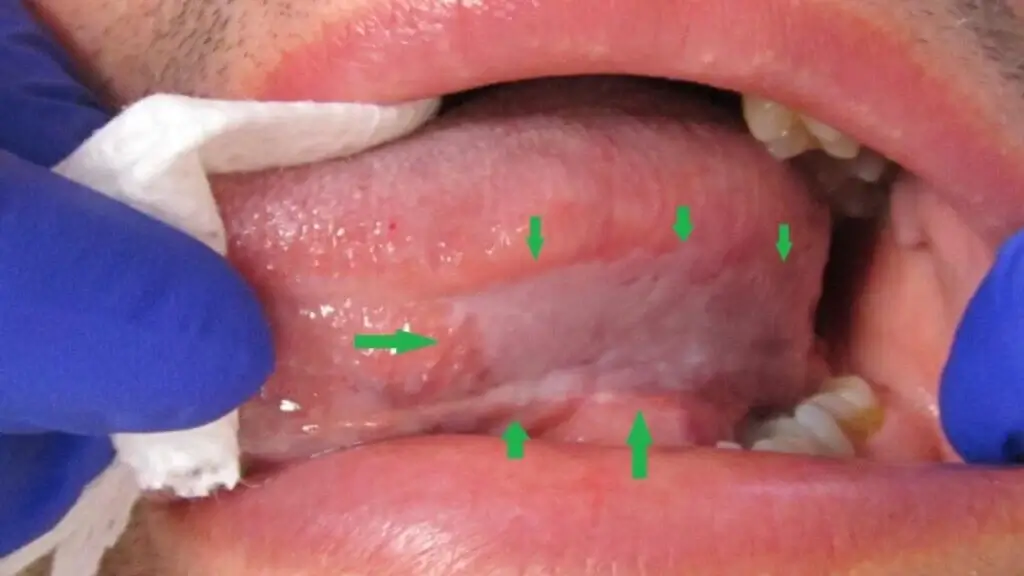
The dentist carefully inspects the entire oral cavity, including the lips, tongue, cheeks, gums, and throat. They look for red or white patches, persistent sores, lumps, discoloration, or any unusual tissue changes that may indicate early signs of concern.
2. Physical Examination
A gentle hands-on check (palpation) is performed to feel the jaw, neck, lymph nodes, and soft tissues. This helps detect any hidden lumps, swelling, or abnormalities that may not be visible during the visual exam.
3. Special Screening Tools (If Needed)
In certain cases, additional tools may be used for a more detailed assessment:
- Fluorescent lights or special dyes to highlight abnormal or suspicious tissues
- Advanced imaging or diagnostic tests for further evaluation if anything unusual is detected
These steps together ensure a thorough and effective oral cancer screening, helping in
Who Should Get Screened?
- Adults (especially over 30): Risk increases with age, making regular screening important
- Tobacco users: Smoking or chewing tobacco significantly raises the risk
- Alcohol consumers: Frequent alcohol use can increase susceptibility
- People with persistent sores or lesions: Any non-healing ulcer or abnormal patch should be evaluated
- Family history of cancer: Individuals with a genetic predisposition should be more vigilant
Regular screening for these groups helps in early detection and timely treatment, reducing the risk of serious complications.