
Treatment of Oral Cysts or Tumors - Dr. Dadoo's Family Dental Clinic
What Are Oral Cysts and Tumors?
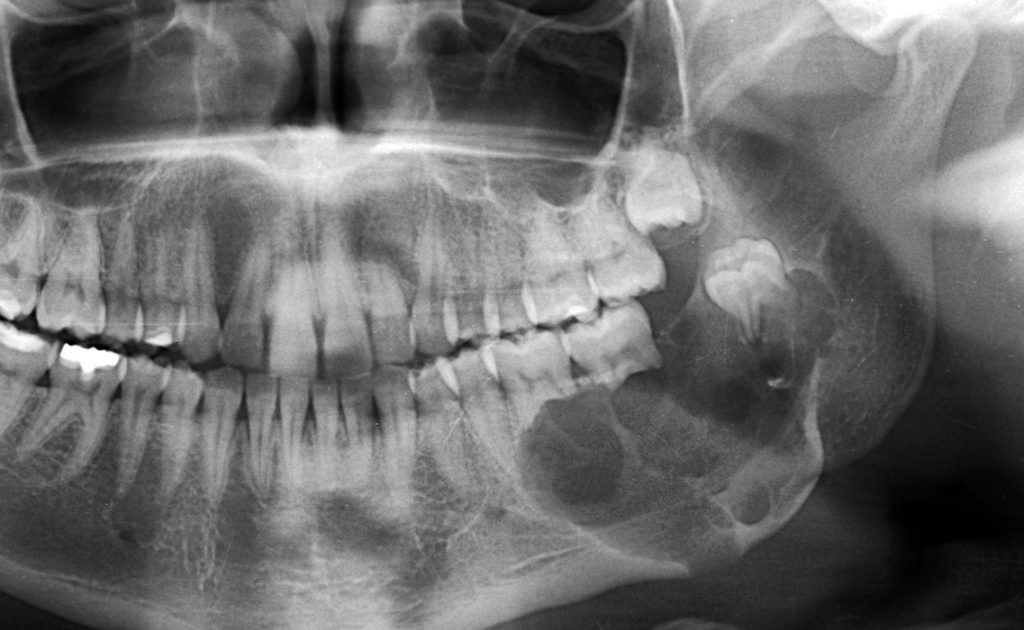
- Oral Cysts: Fluid-filled sacs that can develop in the jawbone or soft tissues, often associated with impacted teeth or infections.
- Oral Tumors: Abnormal tissue growths that may be benign or cancerous, affecting areas like the gums, tongue, cheeks, lips, or jaw.
Common Symptoms
- Swelling or lump in the mouth or jaw
- Pain or discomfort (sometimes painless initially)
- Difficulty chewing or swallowing
- Numbness or tingling in the area
- Loosening of teeth
- Persistent sores or ulcers that do not heal
Primary Treatment Modalities
- Enucleation: The entire cyst or tumor is removed in one piece. This is the most common approach for smaller, well-defined cysts and benign tumors.
- Marsupialization: A permanent opening is created in the cyst to drain fluid and reduce its size over time, allowing for smaller, less destructive surgery later. Often used for large cysts to protect nearby nerves or teeth.
- Resection: For more aggressive or malignant tumors, a portion of the jawbone (maxillectomy for top, mandibulectomy for bottom) may be removed.
- Curettage: After enucleation, the surrounding bone is scraped to ensure no remnants remain.
- Adjunctive Therapy: Techniques like liquid nitrogen freezing (cryotherapy) or Chemical applications (Carnoy’s solution) are applied to the bony cavity after removal to reduce the risk of recurrence. [1, 2, 3, 4, 5]
Treatment Options
1. Surgical Removal (Most Common)
This is the primary and most effective treatment for many oral cysts and tumors. The goal is to completely remove the abnormal growth to prevent further complications.
Complete removal: The cyst or tumor is surgically excised in full to minimize the chance of recurrence.
Removal of surrounding tissue: In some cases, a small margin of healthy tissue around the lesion is also removed to ensure no abnormal cells remain.
Bone grafting: If the cyst or tumor has caused damage to the jawbone, a bone graft may be placed to restore structure, strength, and support for future dental function.
2. Enucleation or Marsupialization (for Cysts)
These techniques are specifically used for managing cysts, depending on their size and location.
Enucleation: The entire cyst is carefully removed along with its lining. This method is commonly used for smaller cysts and helps prevent recurrence.
Marsupialization: The cyst is opened and drained to reduce its size and internal pressure. This is often done for larger cysts, making a later complete removal safer and less invasive.
3. Treatment for Malignant Tumors
When a tumor is cancerous, treatment becomes more comprehensive and specialized.
Surgical removal: The tumor is removed along with surrounding tissues if necessary.
Radiation therapy and/or chemotherapy: These treatments help destroy any remaining cancer cells and reduce the risk of spread.
Multidisciplinary care: A team of specialists—including oral surgeons, oncologists, and radiologists—work together to create a personalized treatment plan, ensuring the best possible outcome.