Treatment of Jaw Fractures - Dr. Dadoo's Family Dental Clinic
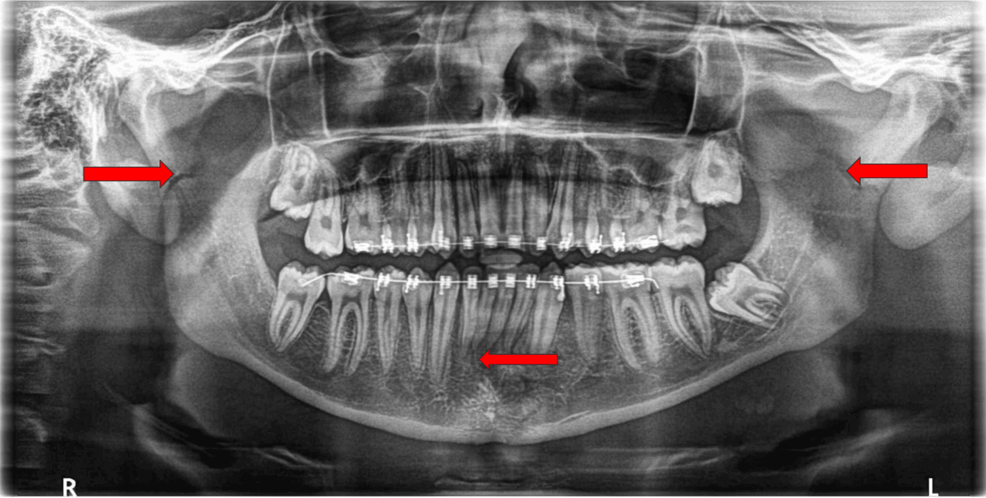
Treatment of jaw fractures aims to realign the broken bones, restore normal bite (occlusion), and recover full function of the jaw. These injuries can affect the maxilla (upper jaw), mandible (lower jaw), or nearby facial bones, and require timely, specialized care.
Signs & Symptoms
- Pain, swelling, or bruising in the jaw
- Difficulty opening the mouth or chewing
- Misaligned bite (teeth not fitting properly)
- Loose or broken teeth
- Numbness in lips or chin (nerve involvement)
Treatment Options
1. Non-Surgical Treatment (Closed Reduction)
This approach is used for minor or non-displaced fractures, where the bones are still properly aligned.
- The jaw is stabilized without surgery to maintain correct positioning
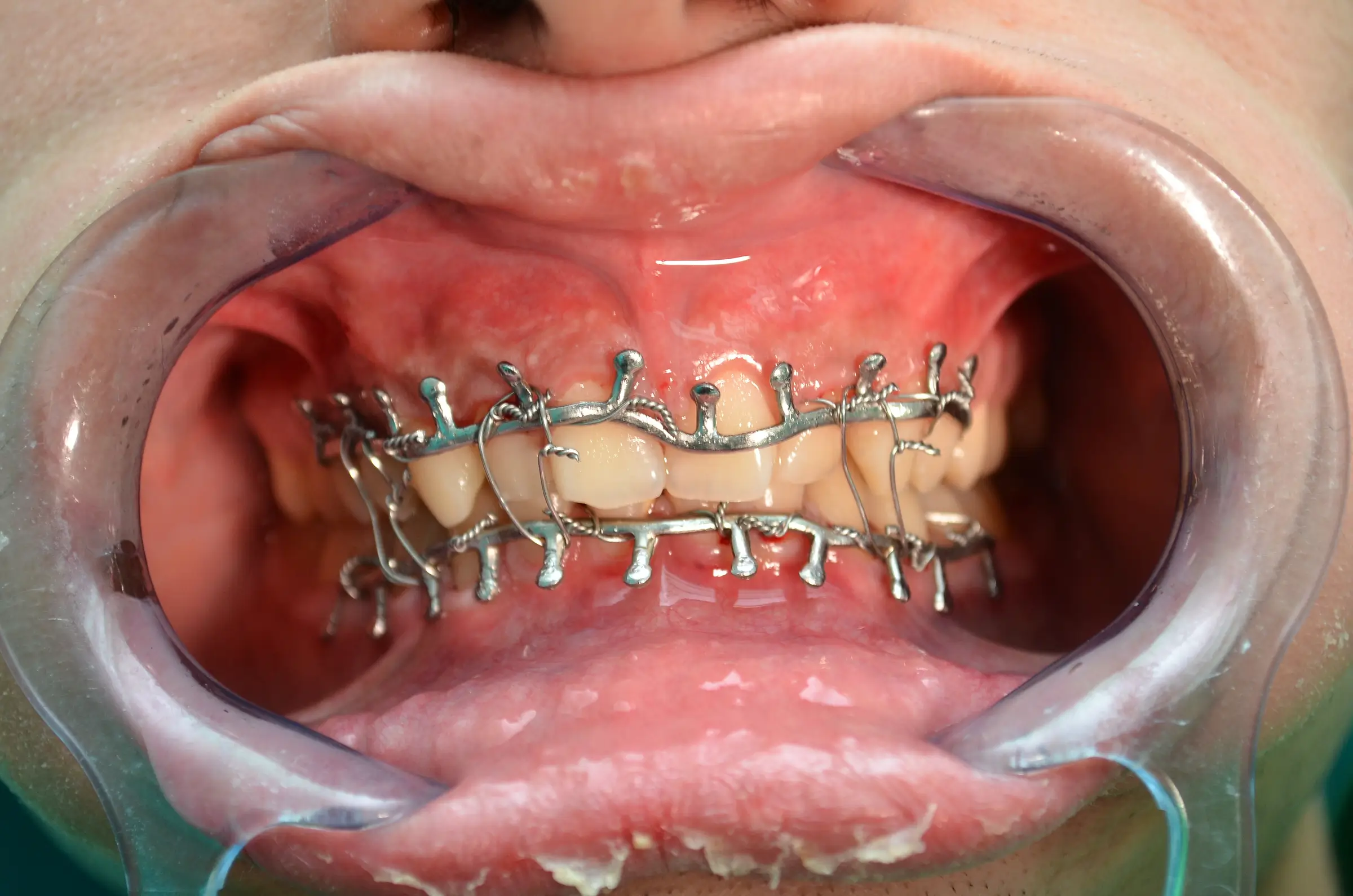
- Intermaxillary Fixation (IMF): The upper and lower jaws are secured together using wires or elastic bands to allow healing
- Patients are advised to follow a soft or liquid diet during the healing phase
- Regular follow-ups ensure the bite remains properly aligned and healing progresses smoothly
2. Surgical Treatment (Open Reduction & Internal Fixation – ORIF)
This method is required for severe, displaced, or complex fractures.
- The surgeon exposes the fracture site through a minor surgical procedure
- Broken bone segments are accurately repositioned
- Titanium plates and screws are used to stabilize and hold the bones in place
- This technique allows early jaw movement, better comfort, and faster recovery compared to traditional wiring
3. Management of Associated Injuries
Jaw fractures are often accompanied by other oral injuries, which are treated simultaneously:
- Soft tissue repair for cuts or damage to gums and surrounding tissues
- Stabilization or treatment of teeth, including repositioning, splinting, or root canal if needed
- Nerve evaluation and care to manage numbness or sensory changes
Recovery & Healing
- Mild swelling, bruising, and discomfort are common in the first few days
- Healing typically takes 4–8 weeks, depending on the severity of the fracture
- A soft diet and limited jaw movement are recommended initially
- Gradual return to normal eating and jaw function as healing progresses
- Regular follow-up visits are essential to monitor recovery and ensure proper alignment
Benefits of Proper Treatment
- Restores normal jaw function and bite
- Improves facial symmetry and appearance
- Prevents long-term complications
- Ensures proper healing and stability